
Vitamin K2 hair loss prevention might be the missing piece in your quest for healthier, stronger hair. Surprisingly, up to 30 percent of adults may have insufficient vitamin K stores, yet few people connect this deficiency to their thinning hair. I’ve discovered that this overlooked nutrient deserves far more attention when it comes to maintaining your locks.
Studies show that vitamin K2 can aid hair growth and may even help stop hair loss. In fact, a lack of vitamin K2 can make hair weak and more prone to breakage. Additionally, vitamin K2 works synergistically with vitamin D, directing calcium away from soft tissues like hair follicles and into the hair shaft where it strengthens your strands. Most healthcare providers recommend daily vitamin K intake of 120 mcg for men and 90 mcg for women, but these recommendations rarely come with advice about its benefits for hair.
In this article, we’ll explore everything you need to know about vitamin K2 and its connection to hair health—information many doctors simply don’t discuss. From how it regulates calcium in your body to the best ways to incorporate it into your hair care regimen, we’ll cover the science and practical steps you can take today.
What is Vitamin K2 and how does it relate to hair?
The fascinating world of vitamin K2 might hold the key to maintaining your precious locks. Unlike its more famous cousins like vitamin D or biotin, vitamin K2 works behind the scenes as a critical regulator of calcium—a mineral that significantly impacts your hair health.
Vitamin K1 vs K2: Key differences
Vitamin K exists in two main forms with notable differences. Vitamin K1 (phylloquinone) primarily comes from leafy green vegetables and makes up approximately 75-90% of the vitamin K in a typical Western diet. Meanwhile, vitamin K2 (menaquinone) is found in animal products, fermented foods, and is also produced by gut bacteria.
These vitamins differ structurally—vitamin K1 contains a phytyl side chain similar to chlorophyll, whereas vitamin K2 features varying lengths of repeating prenyl units. Furthermore, your body absorbs and processes them differently.
Vitamin K1 has poor absorption (less than 10%) and quickly filters through your liver. Conversely, vitamin K2, especially longer-chain forms like MK-7, stays in your bloodstream for days rather than hours, potentially allowing better utilization throughout your body.
How Vitamin K2 regulates calcium in the body
Vitamin K2 plays a pivotal role in regulating calcium metabolism through protein activation. It activates proteins like osteocalcin and matrix Gla protein (MGP), which control where calcium goes in your body. Without sufficient vitamin K2, calcium can deposit in soft tissues rather than where it belongs—in bones and teeth.
This regulatory function prevents what experts call the “calcium paradox”—a condition where calcium leaves bones and accumulates inappropriately in blood vessels and other soft tissues.
Why calcium balance matters for scalp health
The connection between vitamin K2, calcium balance, and hair health is profound yet often overlooked. Proper calcium distribution supports optimal scalp function and healthy hair follicles. When calcium regulation falters, calcification can occur in the scalp, potentially compromising blood circulation to hair follicles.
By preventing scalp calcification, vitamin K2 helps maintain healthy hair roots necessary for robust hair growth. Moreover, it ensures proper nutrient delivery to hair follicles by improving blood circulation, consequently supporting the strength and thickness of your hair strands.
How Vitamin K2 supports hair growth

Image Source: MDPI
Beyond just regulating calcium, vitamin K2 actively supports your hair’s growth cycle through several key mechanisms. Let’s examine how this nutrient works its magic on your locks.
Improves blood flow to hair follicles
Vitamin K2 plays a vital role in supporting healthy blood circulation throughout your body—including your scalp. This enhanced blood flow delivers crucial oxygen and nutrients directly to your hair follicles.
Through improved circulation, vitamin K2 ensures your follicles receive everything they need to produce strong, healthy hair strands. The vitamin works with blood vessels to bring essential nutrients close to hair roots, ultimately allowing your hair to grow stronger and more vibrant.
Reduces inflammation in the scalp
Research suggests that vitamin K2 possesses anti-inflammatory properties that benefit your scalp health. By reducing inflammation and irritation, vitamin K2 creates a more favorable environment for hair growth.
This anti-inflammatory action helps maintain the delicate ecosystem of your scalp, potentially preventing conditions that could otherwise lead to hair thinning or loss. Some studies indicate vitamin K2 may keep hair roots healthy by reducing inflammation that inhibits new hair growth.
Supports hair shaft strength and thickness
While vitamin K2 may not directly stimulate new hair growth, it significantly strengthens existing hair strands and prevents shedding. The proper calcium distribution facilitated by vitamin K2 supports overall hair shaft integrity, resulting in stronger, thicker-appearing hair.
Additionally, vitamin K2 has been shown to help hair remain in its growth phase longer, adding both thickness and fullness to your locks.
Works with Vitamin D3 for better nutrient absorption
The partnership between vitamins K2 and D3 creates a powerful duo for hair health. Together, they ensure your body properly absorbs and utilizes nutrients essential for hair vitality.
This collaboration promotes optimal absorption of minerals like calcium, directing them away from soft tissues and toward strengthening your hair shafts. The synergistic effect contributes directly to the strength and thickness of your hair strands, helping you achieve fuller, more resilient hair.
Best ways to get Vitamin K2 for hair health
Getting adequate vitamin K2 for your hair health involves strategic food choices and proper absorption techniques. Since this nutrient directly impacts hair strength and growth, knowing where to find it is essential.
Top food sources of Vitamin K2
The richest sources of vitamin K2 include natto (fermented soybeans), which contains approximately 150 micrograms per tablespoon. Hard cheeses like Gouda (32 μg per serving) and Munster (50 μg per 50g) rank next, followed by egg yolks, liver, chicken, and grass-fed butter. Animal products from pasture-raised animals typically contain higher amounts of K2, particularly in the MK-4 form.
Role of gut bacteria and fermented foods
Your gut bacteria naturally produce vitamin K2, primarily through Bifidobacteria. Nevertheless, this bacterial production alone is often insufficient for optimal hair health. Fermented foods like sauerkraut, kimchi, and miso supplement your K2 intake through bacterial synthesis during fermentation.
When supplements are necessary
Consider K2 supplementation if you follow a vegan diet, have malabsorption issues, or take medications affecting K2 absorption. Always consult your doctor first. MK-7 supplements offer better bioavailability than other forms, with a longer half-life (72 hours) in your bloodstream.
How to pair K2 with healthy fats for better absorption
Given that vitamin K2 is fat-soluble, pairing it with dietary fats dramatically improves absorption. Combine K2-rich foods with avocado, olive oil, or fatty fish. For optimal absorption, choose fats low in polyunsaturated fatty acids – animal fats, tropical oils, and olive oil work best.
Safe usage and potential risks of Vitamin K2
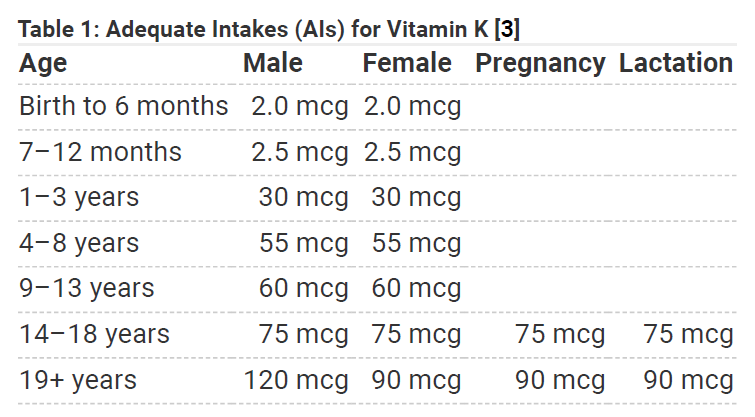
Image Source: Lifespan.io
Understanding proper usage of vitamin K2 is essential for anyone seeking its hair benefits. Let’s explore the safety aspects of this powerful nutrient.
Recommended daily intake for men and women
Health authorities recommend 120 micrograms of vitamin K daily for adult men and 90 micrograms for women, including during pregnancy and lactation. Notably, these recommendations encompass all forms of vitamin K, not just K2 specifically. For K2 supplements (especially MK-7), doses typically range between 50-120 micrograms daily, although some research shows heart benefits at 180-360 micrograms.
Signs of Vitamin K2 deficiency and hair loss
Although rare, vitamin K2 deficiency can manifest through several warning signs. Your skin might bruise easily or bleed excessively from minor cuts. Subsequently, you might notice weak bones or teeth as calcium fails to reach these areas properly. Frequent illness could indicate compromised immunity related to calcium metabolism. Regarding hair specifically, insufficient vitamin K2 can contribute to weakened hair shafts and increased shedding due to improper calcium distribution.
Possible interactions with medications
Vitamin K2 interacts with several medications. Blood thinners like warfarin are particularly affected as they work by blocking vitamin K activity. Additionally, antibiotics (especially cephalosporins used over 10 days), cholesterol-lowering drugs, and weight loss medications like orlistat can decrease vitamin K2 absorption. Always consult a healthcare provider before combining these.
Who should avoid high doses of Vitamin K2
Indeed, vitamin K2 has no established upper limit due to its low toxicity profile. However, certain groups should exercise caution: individuals taking anticoagulants, those with kidney disease, and pregnant or breastfeeding women. Despite its general safety, anyone with these conditions should seek medical advice before supplementation.
Conclusion
Vitamin K2 stands out as a critical yet underappreciated nutrient for maintaining healthy hair. Throughout this article, we’ve seen how K2 works behind the scenes, directing calcium away from soft tissues and toward strengthening hair shafts. Additionally, its ability to improve blood circulation to the scalp ensures your follicles receive essential nutrients needed for optimal growth.
Most people overlook the connection between vitamin K2 deficiency and hair problems. Nevertheless, the evidence suggests this nutrient deserves a prominent place in your hair care strategy. K2 works synergistically with vitamin D3, creating a powerful combination that supports stronger, thicker hair strands while reducing inflammation that can damage follicles.
Food remains your best source of vitamin K2. Fermented foods like natto, along with hard cheeses and animal products from pasture-raised animals provide significant amounts. Although supplements offer an alternative, pairing K2-rich foods with healthy fats maximizes absorption naturally.
Safety should certainly remain a priority when incorporating vitamin K2 into your routine. People taking blood thinners or certain medications should first consult healthcare providers before supplementation. The recommended daily intake—120 mcg for men and 90 mcg for women—serves as a helpful guideline, though these recommendations rarely emphasize hair benefits.
Ultimately, vitamin K2 might be the missing piece in your hair health puzzle. Rather than focusing solely on topical treatments, this internal approach addresses the root cause of many hair issues. Your journey toward healthier, stronger hair could start with something as simple as adjusting your diet to include more K2-rich foods. This overlooked nutrient might just be the secret weapon your hair has been waiting for all along.
Key Takeaways
Discover how vitamin K2, an overlooked nutrient, could be the missing link to stronger, healthier hair that most doctors don’t discuss.
• Vitamin K2 prevents calcium buildup in scalp tissues, directing it to hair shafts instead for stronger strands and better follicle health.
• K2 works synergistically with vitamin D3 to improve nutrient absorption and blood flow to hair follicles, supporting optimal growth.
• Best food sources include natto, hard cheeses, and grass-fed animal products – pair with healthy fats for maximum absorption.
• Daily intake of 90-120 mcg is recommended, but consult doctors if taking blood thinners or medications that affect K2 absorption.
• Up to 30% of adults may have insufficient vitamin K stores, potentially contributing to hair weakness and increased breakage.
While most hair loss treatments focus on topical solutions, addressing vitamin K2 deficiency tackles the root cause internally. This nutrient’s ability to regulate calcium metabolism and reduce scalp inflammation makes it a powerful yet underutilized tool for maintaining healthy hair throughout life.
FAQs
Q1. How does Vitamin K2 benefit hair health? Vitamin K2 supports hair health by improving blood flow to hair follicles, reducing scalp inflammation, and strengthening hair shafts. It also works with Vitamin D3 to enhance nutrient absorption, potentially leading to fuller and more resilient hair.
Q2. What are the best food sources of Vitamin K2? The richest sources of Vitamin K2 include natto (fermented soybeans), hard cheeses like Gouda and Munster, egg yolks, liver, and grass-fed butter. Fermented foods and animal products from pasture-raised animals typically contain higher amounts of K2.
Q3. Can Vitamin K2 supplements cause hair loss? There’s no direct evidence that Vitamin K2 supplements cause hair loss. In fact, K2 is generally considered beneficial for hair health. However, individual responses may vary, and it’s always best to consult with a healthcare provider before starting any new supplement regimen.
Q4. What is the recommended daily intake of Vitamin K2? Health authorities recommend 120 micrograms of vitamin K daily for adult men and 90 micrograms for women. For K2 supplements, especially MK-7, doses typically range between 50-120 micrograms daily. However, some research shows potential benefits at higher doses for specific conditions.
Q5. Are there any risks associated with taking Vitamin K2? Vitamin K2 is generally considered safe for most people when taken in appropriate amounts. However, it can interact with certain medications, particularly blood thinners like warfarin. People with specific health conditions, such as kidney disease, or those who are pregnant or breastfeeding should consult a healthcare provider before supplementing with K2.